
In today’s digital-first world, websites must be fast, flexible, and scalable. Traditional CMS platforms can limit front-end innovation, but Drupal Headless (or decoupled Drupal) changes the game by separating content management from presentation. This approach allows developers to deliver dynamic, multi-platform web experiences while retaining Drupal’s powerful backend capabilities.
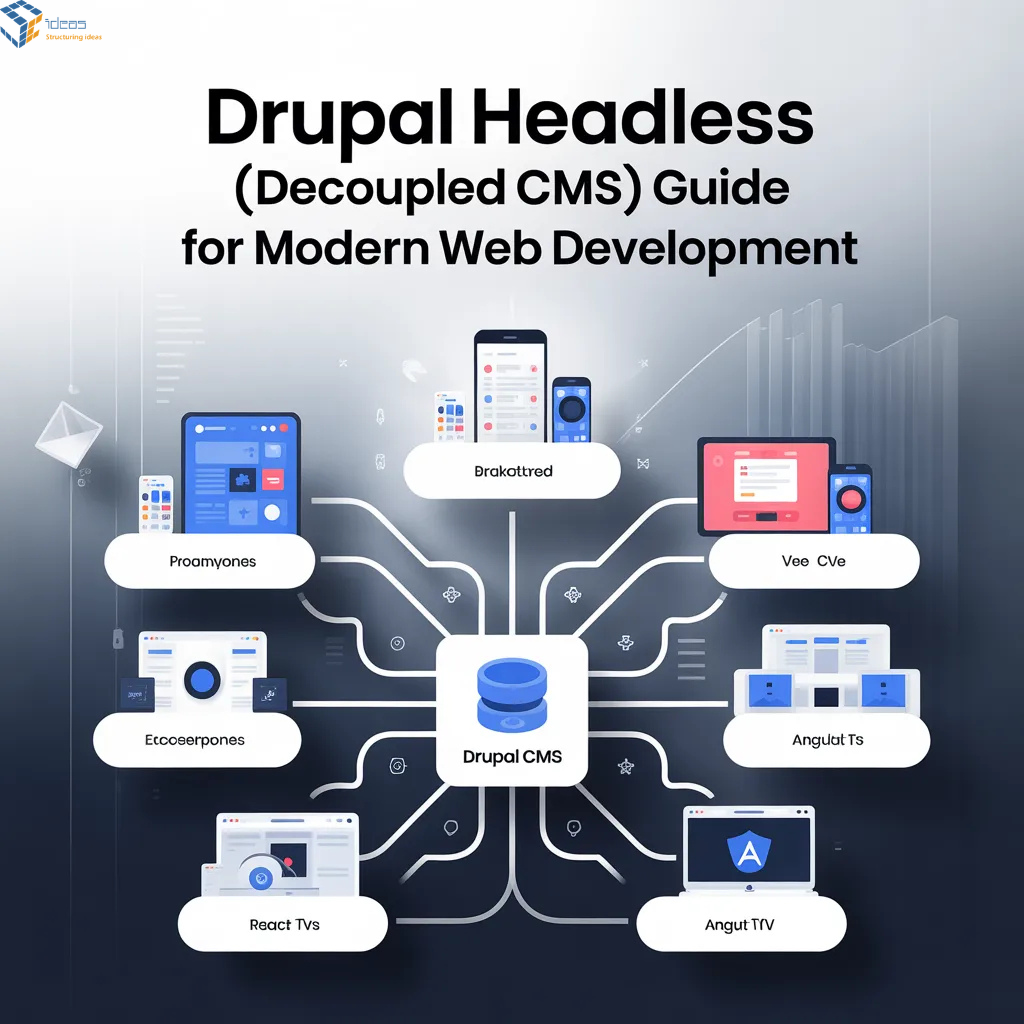
What is Drupal Headless?
Drupal Headless means using Drupal purely as a content management system (CMS) while the front-end is built with modern frameworks such as Angular, React, or Vue.js. Content is delivered to the front-end through APIs like REST or GraphQL, enabling developers to design responsive, interactive, and highly customizable web applications.
In essence, Drupal manages the content, while the front-end handles the user experience. This decoupling provides developers with the freedom to innovate without being constrained by traditional Drupal theming.
Benefits of Drupal Headless
1. Multi-Platform Flexibility
A headless Drupal setup allows the same content to be delivered to websites, mobile apps, and other digital platforms. This ensures consistent content across all channels and reduces duplication of effort.
2. Enhanced Performance
Decoupled front-ends built with Angular or React can render content faster, improving page load speed and user experience. When combined with caching strategies and CDNs, Drupal Headless delivers high-performance applications.
3. Modern Development Workflow
Front-end developers can leverage the power of modern JavaScript frameworks, while back-end developers focus on content architecture and API development. This separation of concerns makes development faster, cleaner, and more maintainable.
4. Improved Security
With the front-end decoupled, the attack surface is reduced. APIs can be secured with authentication protocols like OAuth2 or JWT, adding another layer of protection.
5. Future-Proof Architecture
Drupal Headless enables organizations to adopt new front-end technologies without overhauling the backend. This scalable, flexible architecture ensures websites remain modern and adaptable to future trends.
Common Use Cases
- Single Page Applications (SPAs): Build fast, interactive web apps with Angular or React powered by Drupal content.
- Mobile Applications: Reuse the same Drupal content for mobile platforms without duplicating data.
- Omnichannel Experiences: Deliver consistent content across web, mobile, kiosks, and other digital touchpoints.
- Content-Rich Websites: Use Drupal’s robust CMS capabilities while presenting content with dynamic, responsive front-ends.
Challenges to Consider
While Drupal Headless offers numerous benefits, it comes with challenges:
- Setup Complexity: API configuration and front-end integration require experienced developers.
- Content Preview: Editors may need tools to see how content will appear on decoupled front-ends.
- SEO Considerations: Decoupled front-ends may need server-side rendering (SSR) or static site generation to maintain SEO performance.
Conclusion
Drupal Headless empowers businesses to deliver fast, scalable, and multi-platform web experiences. By combining Drupal with modern frameworks like Angular or React, organizations can create applications that are not only robust but also adaptable for the future. For companies seeking agility, performance, and innovation, headless Drupal isn’t just a trend—it’s a strategic choice for digital growth.