
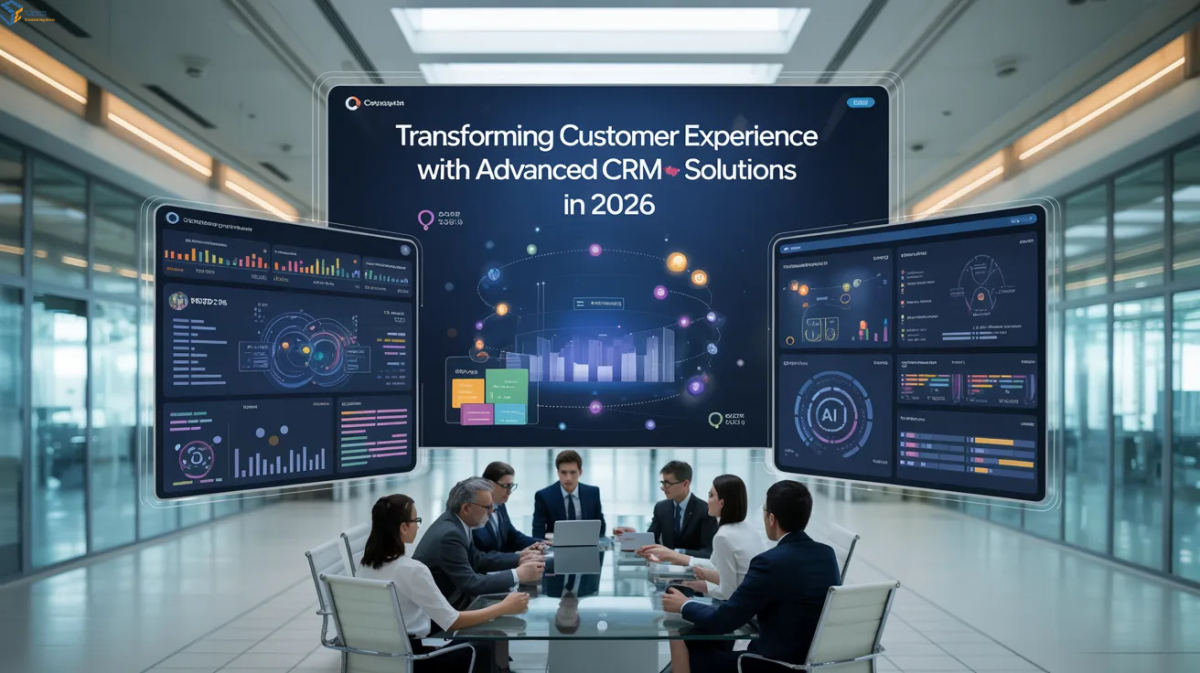
In today’s competitive digital landscape, delivering exceptional customer experiences is no longer optional—it is essential. Businesses across industries are rapidly adopting Customer Relationship Management (CRM) systems to streamline operations, enhance engagement, and build long-term relationships. In 2026, CRM has evolved beyond a simple database into a powerful business intelligence and automation tool that drives measurable growth.
A well-implemented CRM system enables organizations to centralize customer data, track interactions, and gain actionable insights. It eliminates scattered information and replaces it with a structured, real-time view of customer journeys. This empowers teams to respond faster, personalize communication, and make informed decisions that directly impact customer satisfaction.
As a dedicated CRM development company, Scideas focuses on delivering tailored CRM solutions that align with unique business needs. From implementation to long-term support, the goal is to ensure that organizations fully leverage CRM capabilities for maximum efficiency and performance.
Why CRM is Essential in 2026
Modern businesses deal with large volumes of customer data across multiple touchpoints—websites, mobile apps, social platforms, and offline channels. Managing this data manually leads to inefficiencies and missed opportunities. CRM systems address this challenge by offering automation, analytics, and integration capabilities in one unified platform.
CRM reduces manual effort by automating repetitive tasks such as follow-ups, lead assignments, and reporting. This not only minimizes errors but also allows teams to focus on strategic activities like customer engagement and business expansion. Additionally, CRM tools provide real-time insights into customer behavior, helping organizations anticipate needs and deliver personalized experiences.
Another major advantage is scalability. Whether a startup or a large enterprise, CRM systems can adapt to business growth without disrupting operations. This flexibility makes CRM a valuable investment for companies of all sizes and industries.
Comprehensive CRM Services Offered
To achieve the full potential of CRM, businesses require more than just software—they need a strategic approach. Scideas provides end-to-end CRM services designed to ensure seamless adoption and long-term success:
- CRM Implementation: Setting up a robust CRM system tailored to business workflows and objectives.
- CRM Customization: Modifying features, dashboards, and processes to match specific operational needs.
- CRM Integration: Connecting CRM with ERP systems, marketing tools, and third-party applications for smooth data flow.
- CRM Migration: Securely transferring data from legacy systems to modern CRM platforms without loss or disruption.
- CRM Support & Maintenance: Continuous monitoring, updates, and optimization to ensure consistent performance.
These services help organizations create a unified ecosystem where all customer-related activities are efficiently managed.
Top 4 CRM Best Practices
Choosing and implementing a CRM system requires careful planning. Here are four essential practices to consider:
- Align CRM with Business Goals
Select a CRM that fits your operational structure and long-term objectives. Avoid choosing software based solely on popularity; focus on functionality that supports your workflow. - Train Your Workforce
A CRM system is only as effective as its users. Proper training ensures that employees understand how to use the system efficiently, leading to better adoption and productivity. - Establish Clear Usage Guidelines
Define rules and processes for CRM usage. This ensures consistency in data entry, reporting, and communication across teams. - Leverage Automation
Automation reduces human errors and saves time. Features like automated emails, reminders, and reporting allow teams to focus on strategic decision-making rather than repetitive tasks.
Understanding CRM: Frequently Asked Questions
What is CRM?
Customer Relationship Management (CRM) is a system that helps businesses manage interactions with current and potential customers. It provides insights into customer behavior, enabling organizations to improve relationships, enhance satisfaction, and drive better outcomes.
Who can use CRM?
CRM is suitable for any individual or organization, regardless of size or industry. Sectors such as healthcare, real estate, life sciences, non-profits, and financial services all benefit from CRM solutions.
What CRM options are available?
CRM systems are built using various technologies and programming frameworks. Some are open-source and free, while others operate on a licensed or subscription-based model. The choice depends on business requirements, budget, and scalability needs.
Popular CRM Platforms in the Market
Several CRM platforms have established themselves as reliable solutions for businesses:
- Salesforce: A cloud-based market leader known for its advanced features, scalability, and strong ecosystem.
- SugarCRM: A cost-effective option offering flexibility and lower recurring costs compared to enterprise solutions.
- SuiteCRM: An open-source CRM platform that is free to use, making it ideal for businesses seeking budget-friendly solutions.
Each platform offers unique advantages, and selecting the right one depends on your business goals and technical requirements.
The Future of CRM
As technology continues to evolve, CRM systems are becoming smarter and more intuitive. Artificial intelligence, predictive analytics, and advanced automation are shaping the future of customer relationship management. Businesses that adopt these innovations will gain a competitive edge by delivering faster, more personalized, and more efficient customer experiences.
In 2026, CRM is not just a tool—it is a strategic asset that drives growth, improves efficiency, and strengthens customer relationships. By investing in the right CRM solution and following best practices, businesses can unlock new opportunities and stay ahead in an increasingly competitive market.